 Rules and SafetyHow dice work in live action roleplay: 4 ways rolls decide what skill cannot
Live Action Roleplay
- Rules and SafetyHow dice work in live action roleplay: 4 ways rolls decide what skill cannot
 Rules and SafetyLive action roleplay is not what most people think
 EquipmentHow to choose a LARP costume: 5 ways to dress your character for any setting
 Social SkillsHow to find a LARP group: practical routes into the hobby near you
 Rules and SafetyHow to make padding for roleplay armour: 5 ways to layer protection that works in combat
 CharactersHow to write a character backstory: 5 ways to build history that works at the table
 Getting StartedHow to start LARP and feel ready at your first event
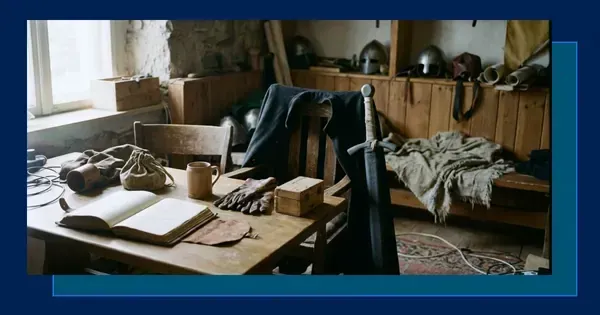 Getting StartedWhat live action roleplay is: rules, imagination and the fiction you step into
 CharactersHow to create a character: 5 ways to build someone you'll enjoy playing
Rules and Safety
Live action roleplay is not theatre, and you will not perform in front of an audience. It is structured play: you inhabit a character, make choices as that character, and respond to a story that unfolds around you and the other players. Events take place across the UK, from village halls to woodland sites, and every system has its own rules, setting and tone. Whether you are curious about trying your first event, supporting someone who already plays, or simply want to understand what happens at these gatherings, this portal walks you through the practicalities, the decisions and the experiences that shape live action roleplay.
LARP happens in real time and real space
When you play, you occupy the same physical location as your character. If your character walks through a forest, you walk through a forest. If they sit at a tavern table, you sit at a table. The game unfolds without cuts or pauses, and your decisions shape what happens next. Time in the game usually matches time in the world: an hour of play is an hour your character experiences, though some systems compress or expand certain scenes.
Most events run for a weekend, with periods of play interrupted by meals and sleep. A few systems offer shorter evening sessions or single-day adventures. You stay in character during play and step out of character when the game pauses. The boundary is clear, and organisers signal the transitions.
Rules create safety and fairness
Every system publishes a rulebook that governs how conflict is resolved, how abilities work and what players may and may not do. Combat is common in many settings, and physical contact is controlled through agreed conventions. Most UK systems use foam weapons and a hit-point system: a padded sword striking your arm represents an injury, and you respond according to the rules. Other systems rely entirely on description and gesture, with no physical contact at all.
Safety rules sit above the fiction. If a player says a safety word, the game stops immediately. If you feel uncomfortable or unwell, you step out of character and speak to an organiser. The rules exist to let everyone explore challenging stories without real harm.
You build a character within the setting
Each system offers a world with its own history, factions and conflicts. You create a character who belongs to that world, choosing their background, skills and motivations from the options the rules provide. Some systems let you design freely within broad guidelines; others ask you to pick from a set of archetypes or character classes.
Your character sheet records your abilities, and you bring it to every event. Between games, the story progresses: your character may gain new skills, form alliances, or pursue long-term goals. A campaign can run for months or years, with the same characters returning to each event.
Costume and kit anchor you in the fiction
What you wear signals who your character is. A healer carries herbs and bandages; a knight wears armour; a merchant displays their wares. Costume does not need to be expensive or elaborate, but it should fit the setting and help other players understand your role at a glance. Many systems publish costume guides that list acceptable materials, colours and styles.
You also bring practical kit: a sleeping bag, weatherproof clothing, food if the event does not provide it, and any props your character uses. A tent or a bunk in a shared cabin provides overnight shelter at weekend events.
Your first event follows a clear path
Most systems welcome new players and provide support before and during your first game. The steps below show what to expect:
- Read the rulebook and the event brief published by the organisers.
- Create your character using the system's guidelines, or contact the organisers if you need help.
- Gather costume and kit that fit the setting and the weather forecast.
- Arrive at the published time, find the registration desk, and introduce yourself as a new player.
- Attend the new player briefing, where organisers explain safety rules and answer questions.
- Enter the game when the event begins, stay close to other players, and ask in-character questions to learn your way.
Organisers often assign a mentor or guide to help you navigate your first few hours. If you feel lost or unsure, step out of character briefly and ask a crew member for direction.
Common pitfalls new players face
Even with preparation, certain misunderstandings arise. Knowing them in advance helps you avoid frustration and enjoy the game more fully.
Assuming everyone shares your reference points leads to confusion. Not every medieval fantasy game draws from the same sources, and a term that means one thing in a novel may mean something else in this system. Read the setting material the organisers provide, and ask in-character questions when you encounter something unfamiliar.
Treating the game as a competition with winners and losers misses the point. LARP is collaborative storytelling. Your character may fail, suffer setbacks, or lose a fight, and those moments often create the most memorable scenes. Success is not measured by victory but by the quality of the story you help create.
Ignoring the out-of-character signals
Players and crew use gestures or phrases to communicate outside the fiction: a hand on the head means "I am not here", crossed fingers mean "this is out of character", and a safety word halts play. Missing these signals or refusing to respect them damages trust and puts others at risk. Learn your system's conventions and use them when needed.
Overdoing the first costume
Spending heavily before your first event is common, but you do not yet know what works for you or what the setting truly demands. Start simple: plain trousers, a tunic, sturdy boots, and one or two character-specific items. After your first game, you will understand what to add or change.
Choosing your first system and event
The UK hosts dozens of systems, each with its own setting, rules and player culture. Your choice depends on what kind of story you want to explore and how much time you can commit.
| System type | Typical setting | Event length | Best for |
|---|---|---|---|
| High-fantasy campaign | Heroic magic, nations at war | Weekend | Long-term character arcs |
| Low-magic historical | Medieval Europe, restrained supernatural elements | Weekend | Political intrigue and realism |
| Parlour or freeform | Drawing rooms, mysteries, social drama | Single evening | Testing LARP without camping |
| Post-apocalyptic | Survivors, scarcity, moral dilemmas | Weekend or single day | Modern dress and improvisation |
| Urban fantasy | Secret supernatural factions in modern cities | Monthly evening sessions | Fitting play around work |
What the event listing should tell you
A well-run system publishes clear details for every event: the date, the location, the cost, what is included in the ticket price, and whether the event is open to new players. Look for a new player contact email or a dedicated section of the website. If the listing is vague or the rules are not published, approach with caution.
Cost varies widely. A single-day freeform may cost £15 to £30; a weekend festival event with catering and professional set dressing may cost £150 or more. Most systems fall between £40 and £80 for a weekend without food.
Accessibility and adjustments
Many systems accommodate players with mobility, sensory or cognitive needs, but the level of support varies. Contact the organisers before booking to discuss what adjustments are possible. Questions worth asking include whether the site is wheelchair accessible, whether you can opt out of physical combat, whether quiet spaces are available, and whether you can bring a support person who is not playing.
Some systems offer non-combat roles, such as crafters, healers or scholars, where you contribute meaningfully without entering fights. Others let you signal that you are not a combat target. If a system cannot meet your needs, ask the organisers to recommend one that can.
The difference between systems and events
A system is the overarching game: the rules, the setting, the ongoing story. An event is a single weekend or session within that system. Some systems run only a few events each year; others host monthly games. A one-shot or freeform is a standalone event with no continuity, where you play a pre-written character for a single session.
If you are new, a one-shot or a system that welcomes drop-in players lets you try LARP without committing to a long campaign. If you want a deeper experience, choose a campaign system and plan to attend multiple events with the same character.
Skills you gain through play
Live action roleplay asks you to solve problems in real time, negotiate with other players, and adapt when plans fail. You learn to read a room, to listen actively, and to build on what others contribute. These are practical skills that carry into work, study and daily life, though few people come to LARP for that reason alone.
You also learn to make things: costumes, props, armour, tents, banners. The creative side of the hobby is as rich as the play itself, and many players find satisfaction in crafting the physical elements of their character.
Where to go from here
Start by browsing the websites of UK systems that interest you. Read their rulebooks, watch any video content they publish, and join their public forums or social media groups. Attend a new player event if the system offers one, or contact the organisers to ask about upcoming games suitable for beginners.
If you know someone who already plays, ask to visit their kit and costume before an event, or request an introduction to their system's community. Most players are happy to help newcomers navigate their first steps.
Local groups and resources
Some cities host regular freeform or parlour LARP events that require no costume and no camping. These are ideal first experiences. University societies often run introductory sessions during term time, and many welcome non-students. Online forums and regional Facebook groups list upcoming events and connect you with other players in your area.
This week: grounding yourself in the basics
Live action roleplay rewards small, deliberate steps. You do not need everything at once.
Pick one system whose setting interests you and read the first ten pages of its rulebook. Search for "LARP near me" and note two events within the next three months that welcome new players. Watch a recorded panel or interview with organisers of a UK system to hear how they describe their game. Write down three questions you still have, and email them to the system's new player contact. Each action brings the fiction closer to real experience.
Frequently asked questions
How do combat rules work in live action roleplay
Most UK systems use foam weapons and a hit-point system: when a padded weapon strikes you, you lose health according to the rules and roleplay the injury. Some systems use no physical contact at all, relying on description and gesture. Every system publishes its combat rules in advance, and new players receive a briefing before their first fight.
What happens if I have accessibility needs
Many systems accommodate mobility, sensory and cognitive needs, though the level of support varies by event. Contact organisers before booking to discuss adjustments such as wheelchair access, non-combat roles, quiet spaces, or bringing a support person. If one system cannot help, ask for a recommendation to one that can.
What is the difference between a system and a one-shot event
A system is an ongoing game with continuity: you play the same character across multiple events, and the story develops over months or years. A one-shot or freeform is a standalone event where you play a pre-written character for a single session with no follow-up. One-shots are ideal for trying LARP without committing to a campaign.
How do I find LARP events near me
Search online for "LARP UK" or "LARP" plus your region, and browse the websites of systems that interest you. Join regional Facebook groups or forums where players list upcoming events. University societies, city-based freeform groups, and national systems all advertise publicly, and most welcome enquiries from new players.
What should I bring to my first weekend event
Bring costume that fits the setting, a sleeping bag, a tent or bedding if the site provides bunks, weatherproof clothing, sturdy footwear, food and water unless catering is included, and any props your character uses. Check the event listing for a kit guide, and contact the organisers if you are unsure what is needed.