How food works at live action roleplay events and four ways to plan your meals
 Save
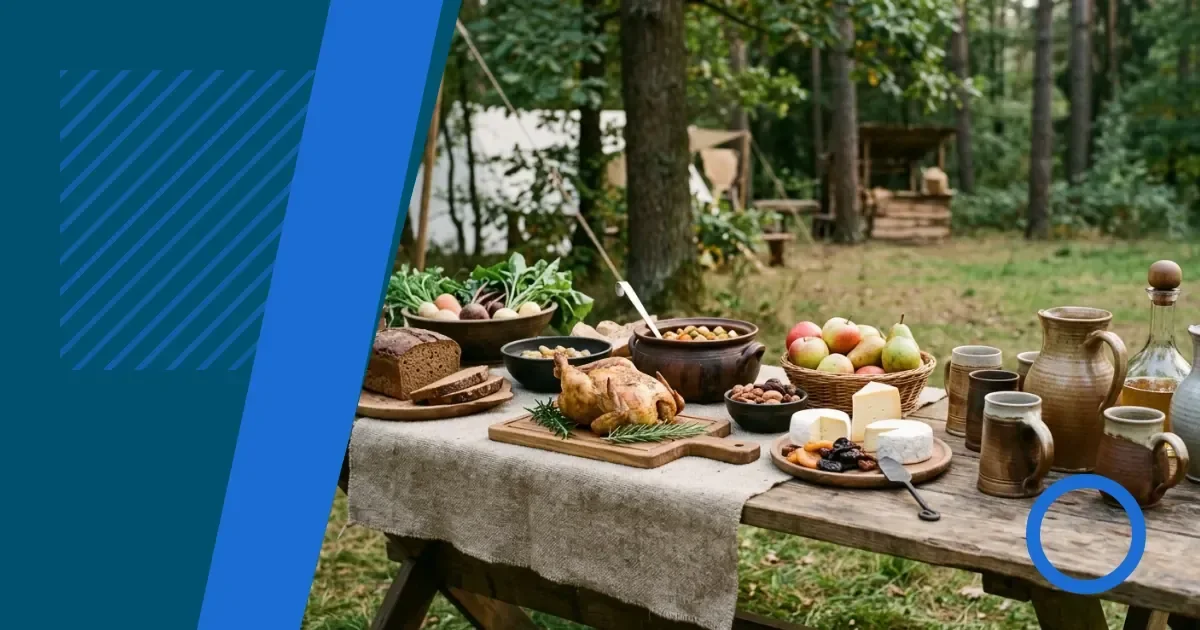
Food at LARP events varies by organiser, venue and event length. Some provide hot meals and tavern scenes where you eat in character, while others expect you to bring everything yourself. Fantastical Quests explains what to check before you book, how meals fit into the fiction and what to pack when catering is your own responsibility.
Check the event details before you book
Event listings state whether food is included in the ticket price, available to buy on site or left to participants. A weekend event with catering often includes breakfast, lunch and dinner across both days, while a single-day event may provide nothing beyond water. Some organisers run a tavern where you buy food in character using the event's fictional currency, which you earn through play or exchange at the start.
Dietary requirements are handled differently depending on the system. Events with full catering ask you to declare allergies and preferences when you book. Smaller gatherings may suggest you bring alternatives if the provided meal does not suit you. Read the booking form carefully and contact the organisers if the process is unclear.
If catering is not included, the listing usually specifies whether cooking facilities are available. A site with a communal kitchen lets you prepare hot food, while a field site with no power means cold meals only. Confirm what you can bring onto the site as well — some venues prohibit camping stoves or open flames.
Understand how in-character meals work
Eating in character adds to immersion when the meal fits the setting. A tavern scene lets you sit with other players, share food appropriate to the world and continue roleplay without breaking for lunch. You pay with the event's currency, order from a menu written in setting and stay in role while you eat.
Not every event includes in-character food. Some separate mealtimes from roleplay entirely, signalling a break where you step out of character, eat quickly and return to play. Others blend the two by serving period-appropriate food in a communal hall, where the meal itself is in character but you are not required to act while eating.
When food is served in character, it may not match modern expectations. A medieval setting might offer bread, stew and ale, with no vegetarian option labelled as such. If you have dietary needs that the setting cannot accommodate visibly, speak to the organisers beforehand — they can provide alternatives discreetly without breaking the fiction.
Bring your own food when catering is not provided
Self-catering requires more preparation but gives you full control over what you eat. Pack non-perishable items if the event runs over a weekend and you have no refrigeration. Dried fruit, nuts, oatcakes, tinned fish and hard cheese travel well and need no cooking. Bread and spreads work for quick meals between scenes.
A camping stove and basic cookware let you prepare hot food if the site allows it. Pasta, rice and instant noodles are easy to cook in one pot. Pre-chopped vegetables and tinned ingredients speed up meal preparation when you are tired from a day in character. Bring enough water or check whether the site has drinkable taps.
Consider how you will store and carry food on site. A cool bag with ice packs keeps perishables safe for the first day. A backpack or basket that fits your character's costume means you can carry snacks without breaking immersion. Some players bake bread or prepare stew in advance and reheat it at the event, which adds to the atmosphere if your character would cook.
Plan meals around the event schedule
LARP events have different rhythms depending on their format. A weekend campaign might pause for communal meals at set times, while a continuous event expects you to eat when your character would. Check the schedule so you know when to break for food and how long you have.
If the event does not stop for meals, pack food you can eat quickly without leaving play. Snacks you can carry in a pouch or pocket let you stay in character while you eat. Energy bars, dried meat and wrapped pastries work well. Avoid anything that requires cutlery or makes a mess.
Timing matters when you are playing a physically demanding role. Skipping meals leads to fatigue, which makes combat unsafe and reduces your ability to think clearly in character. Eat before intense scenes and keep snacks nearby for long stretches of roleplay. Hydration is just as important — carry water and drink it regularly, even when absorbed in play.
Respect shared spaces and clean up after yourself
Communal kitchens and eating areas are used by everyone at the event. Wash your dishes immediately after use and wipe down surfaces. If you spill something, clean it up before it becomes a hazard. Pack out all your rubbish or place it in the bins provided.
Food waste attracts animals and insects, which disrupts play and damages the site. Dispose of leftovers properly and do not leave food uncovered in shared tents. If the venue has composting or recycling, follow the instructions. Sites that host multiple events each year depend on participants looking after the space.
Strong smells carry across a campsite and can break immersion for others. Avoid cooking pungent food late at night or near sleeping areas. If you are reheating meals on a stove, do it in a designated area away from tents and roleplay zones. Other participants will appreciate the consideration.
Sort out your meals before you arrive
- Read the event listing to confirm whether food is provided, available to buy or entirely self-catered.
- Declare dietary requirements when you book if catering is included, and follow up if you do not receive confirmation.
- Pack non-perishable snacks and easy meals if you are responsible for your own food, and check whether the site allows cooking equipment.
- Bring enough water or confirm that drinkable taps are available on site.
- Plan meals around the event schedule so you eat regularly without missing key scenes.
Compare your catering options
| Option | What it covers | When to choose it |
|---|---|---|
| Full catering | All meals included in the ticket price | You want to focus on roleplay without planning food |
| Tavern or on-site purchase | Food available to buy in character using event currency | You prefer flexibility and enjoy in-character transactions |
| Self-catering | You bring and prepare everything yourself | You have specific dietary needs or prefer to control your budget |
| Mixed approach | Some meals provided, others you bring | The event offers breakfast only or one communal dinner |
Decide what works for your character and your comfort
Some players enjoy the challenge of eating only what their character would have access to. A peasant character might live on plain bread and vegetables, while a merchant eats better. This adds depth to roleplay but requires planning. You still need enough nutrition to stay safe and alert, so balance immersion with practical needs.
If you are new to live action roleplay, prioritise comfort over strict in-character choices for your first event. Bring familiar food that you know you will eat, even if it does not fit the setting perfectly. You can refine your approach once you understand how meals fit into the event's rhythm. What happens at a live action roleplay event explains the structure of a weekend so you can see where mealtimes fall.
Communal meals create opportunities for roleplay that solo eating does not. Sitting with other characters lets you overhear conversations, form alliances and share information. If the event includes a tavern or communal hall, make time to eat there even when it would be quicker to grab something from your tent. The social aspect of shared food is part of what makes the fiction feel real.
Work out the real cost of food before you book
Events with catering cost more upfront but save you the effort of shopping and cooking. Check what the ticket price includes — full board means three meals a day, while half board covers two. Some organisers charge separately for the tavern, so you pay for each meal as you eat it.
Self-catering reduces the ticket price but moves the cost to your food budget. A weekend of meals adds up when you factor in ingredients, fuel for cooking and travel to the shop beforehand. If you are attending with friends, sharing ingredients and cooking together spreads the expense and the work. Starting live action roleplay: what the real costs are breaks down budgeting across different aspects of the hobby.
Tavern meals sit somewhere in the middle. You pay only for what you eat, which gives you control, but prices vary. Some events set tavern costs low to encourage participation, while others charge enough to cover the expense of hiring catering staff. Ask other players or check the event's online community if prices are not listed publicly.
#Event preparation #Beginner tips #Camp life #Budgeting
Download PDF: Food planning checklist for your next LARP event PDF, 30 KB
Further reading
Frequently asked questions
Do LARP events provide food or do I need to bring my own?
It depends on the event. Some include all meals in the ticket price, others run a tavern where you buy food in character, and some expect you to bring everything yourself. The event listing will state which approach the organisers use, so check before you book.
Can I eat in character at a LARP event?
Many events offer in-character meals in a tavern or communal hall, where you stay in role while eating. Others separate mealtimes from play entirely. The format depends on the event's style and what the organisers provide.
What should I pack if I need to bring my own food to a LARP event?
Pack non-perishable items such as dried fruit, nuts, tinned fish, oatcakes and hard cheese. If the site allows cooking equipment, bring a camping stove, one pot and quick ingredients like pasta or rice. Carry enough water or confirm that the site has drinkable taps.