Handling disagreements at live action roleplay events: 4 ways to resolve issues quickly and fairly
 Save
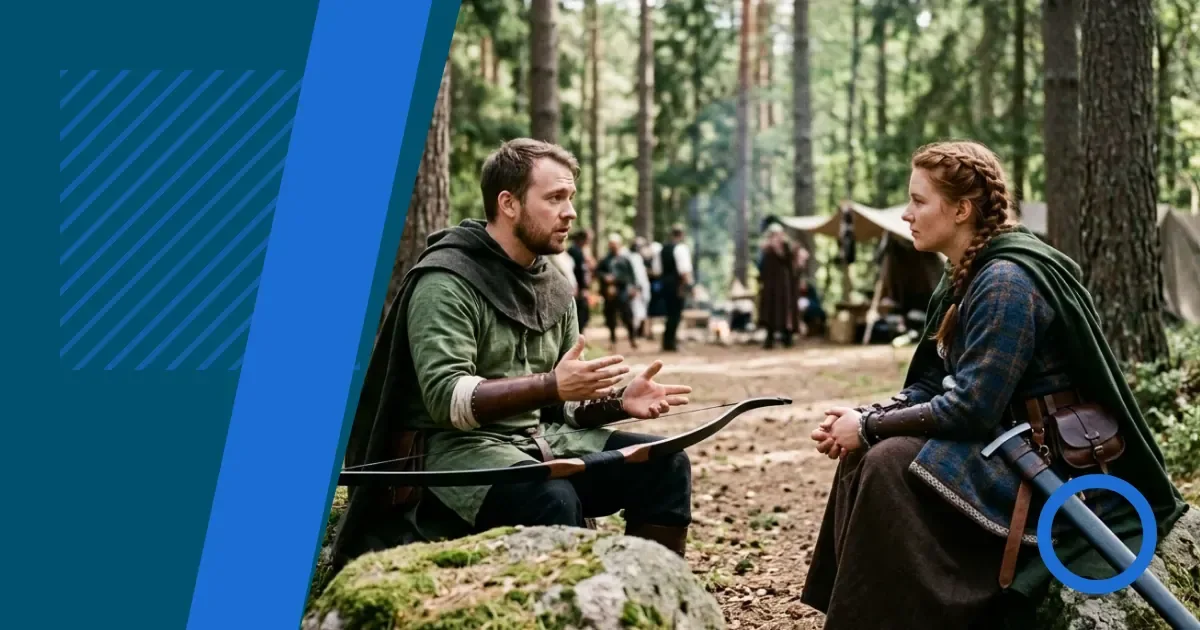
Disagreements at live action roleplay events happen when expectations clash, rules are interpreted differently, or someone feels unsafe. The best way to handle them is to pause, speak to the person involved or an organiser, and focus on what happened rather than what you assume someone meant. This page gives you practical advice on resolving conflict at events, talking to organisers, and knowing when to step out of character.
Disagreements are not the same as roleplay conflict
A disagreement is a real problem between players or between a player and an organiser. Roleplay conflict is part of the fiction: your character argues with another character, and both players enjoy it. The difference matters because you solve them in completely different ways.
If you are unsure whether something is in-character or out-of-character, you can ask. Most events use a signal such as raising a hand or calling "out of character" to pause the fiction. Use it when you need to check whether the other person is comfortable or whether they are playing.
Good to know: many players describe roleplay conflict as some of the most memorable parts of an event. Real disagreements are less common, and most are resolved quickly when both people want the game to continue.
Pause and step out of character when something feels wrong
If you feel unsafe, uncomfortable, or confused about what is happening, step out of character immediately. You do not need permission, and you do not need to explain yourself to other players first. Find an organiser or a member of the safety team, or move to a well-lit area where other people are.
Stepping out of character means leaving the fiction. You stop playing your role, and you speak as yourself. Most events expect players to respect this without question: if someone steps out, the scene pauses until they are ready or until an organiser arrives.
In practice: if someone raises a hand or says "I need to stop", end the scene. Do not ask them to explain what went wrong in front of everyone. Let them find an organiser if they want to talk further.
Speak to the person involved before you speak to an organiser
When the disagreement is about how a rule was used or what a character did, speak to the other player first if you feel safe doing so. Most problems come from misunderstanding rather than malice, and a short conversation away from the event often clears them up.
Keep it specific: describe what happened and how it affected you, then ask for their view. Avoid statements about what they intended or what kind of person they are. If they respond well, you may agree on what to do differently next time. If they do not, or if the conversation makes you uncomfortable, stop and find an organiser.
When to skip this step and go straight to an organiser: if the issue involves physical safety, consent, discrimination, or anything that made you feel threatened. Those are not problems for players to solve between themselves.
What to say to an organiser
Organisers are there to help. When you approach one, give them the facts: what happened, who was involved, and what you would like them to do. You do not need to prove that you are right or that the other person was wrong. You are reporting something that affected your ability to enjoy the event.
- Find a member of the organising team or the safety crew. Most events mark them with a badge, armband or specific costume piece.
- Ask to speak privately. Step away from other players so you can talk without an audience.
- Describe what happened in order, without interpreting the other person's motives. Say what you saw and heard.
- Tell them what you need: an explanation of a rule, a conversation with the other player, or a change to how the event is running.
- Ask what happens next. Most organisers will tell you whether they plan to speak to the other person, adjust a rule, or take another action.
Organisers do not always side with one player or another. Their job is to keep the event running safely and fairly, and sometimes that means explaining a rule you did not understand, or helping both players see where the confusion started.
Rule disputes are easier to resolve than personal ones
Disagreements about rules are the simplest to resolve because the event usually has a written system or a referee who makes the final call. If you believe a rule was applied incorrectly, you can ask an organiser to check. They may confirm the original decision, correct it, or clarify what the rule means for future scenes.
Personal disagreements take longer because they involve how someone made you feel, not just what they did. If another player's behaviour crossed a line, an organiser can speak to them, move them to a different part of the event, or ask them to leave. The outcome depends on the event's code of conduct and how serious the issue is.
| Type of disagreement | Who can resolve it | Usual outcome |
|---|---|---|
| Rule interpretation | Organiser or referee | Clarification or correction for future play |
| Character conflict spilling out of fiction | Both players, or an organiser if needed | Agreement on boundaries or a break from shared scenes |
| Safety or consent issue | Organiser or safety team | Immediate pause, private conversation, possible removal |
Write down what happened if you need to report it later
If the disagreement is serious, or if the organiser asks you to report it formally, write down what happened as soon as you can. Include the time, the location within the event, who was there, and what was said or done. Keep your notes factual: what you observed, not what you think the other person meant.
Some events have an incident reporting process, especially for issues involving safety or codes of conduct. If the organiser gives you a form or an email address, use it. Your report becomes part of the event's record, and it may affect whether the other person is invited back.
You can leave an event if it does not feel safe
If an organiser does not take your concern seriously, or if the event continues to feel unsafe or hostile, you can leave. You do not owe anyone an explanation at the time, though you may want to contact the organisers later to explain why.
Worth remembering: one difficult experience does not mean every event will be the same. Different organisers have different standards, and many groups take safety and inclusion seriously. If you want to try live action roleplay again, look for events with a published code of conduct and visible safety measures.
If you would like more advice on finding a welcoming group, the page on how to find a LARP group covers practical routes into the hobby.
Disagreements become less common as you learn the culture
Many disagreements at live action roleplay events come from not knowing how a group handles conflict, consent or rules. As you attend more events, you learn what to expect: which groups pause scenes when someone raises a hand, which ones use a safety word, and which ones rely on players to check in with each other.
If you are new, it helps to read the event's rules before you arrive. Most groups publish a code of conduct, a safety policy, or a list of signals players can use to pause or adjust a scene. Knowing these in advance means you can act quickly if something goes wrong. The article on how to prepare for your first live action roleplay event explains what to look for.
After a disagreement is resolved
Once the issue is dealt with, you may need time to settle back into the event. Some players find it helpful to take a break, step out of character for a while, or move to a quieter part of the venue. Others prefer to return to the fiction immediately. Both are acceptable.
If the disagreement involved another player and you both agreed to continue, you do not need to avoid them for the rest of the event. You may find that the conversation cleared the air, and future scenes go more smoothly. If it did not, you can ask the organisers to keep you in separate parts of the event.
This page is for general information only. Fantastical Quests is not an event organiser, a mediator or a safety service. For advice specific to an event, contact the organisers directly.
#Event rules #Conflict resolution #Beginner tips #Consent
Download PDF: Handling Disagreements at Live Action Roleplay Events PDF, 29 KB
Further reading
Frequently asked questions
What should I do if someone at a LARP event makes me uncomfortable?
Step out of character and find an organiser or a member of the safety team. You do not need to explain yourself to the other player first, and you do not need permission to pause the scene.
How do I resolve a disagreement about a rule during an event?
Ask an organiser or referee to clarify the rule. They will either confirm the original decision or correct it for future play. Most events have someone responsible for rule disputes.
Can I leave a LARP event if it does not feel safe?
Yes. You can leave at any time if the event feels unsafe or hostile. You do not owe anyone an explanation at the time, though you may choose to contact the organisers later.