Marshals and referees enforce the rules that keep live action roleplay safe — four things they decide on site
 Save
Marshals and referees are the people who enforce LARP marshal rules during an event. They check weapons before play starts, call hits in combat and step in when the fiction or the safety guidelines are broken. Fantastical Quests explains what authority they hold, when they intervene and how their decisions shape the event you attend.
Marshals check weapons and equipment before play begins
Every foam weapon, piece of armour and prop that could cause harm goes through a safety check before time-in. Marshals inspect the construction, test the flex and strike the weapon against their own hand or leg to confirm it meets the event's safety standard. A weapon that fails the check is marked and removed from play until it is repaired.
The check covers padding thickness, core rigidity and the condition of the striking surface. A weapon with exposed core, torn foam or a tip that has hardened will not pass. Marshals look for sharp edges on armour and test buckles and straps that could catch on clothing or skin during movement.
Once a weapon passes, it is marked with tape or a tag so other marshals know it has been approved for that event. The mark is specific to the system running the event — a weapon approved at one LARP may need to be checked again at another if the safety standards differ.
What happens if your weapon fails the check
The marshal tells you what needs to change. If the repair is quick — re-taping a pommel, padding a sharp edge — you can fix it on site and bring it back for another inspection. If the fault is structural, the weapon stays out of play for that event.
Referees call hits and rule on combat outcomes during play
When two characters fight, a referee watches the exchange and calls hits that land. They confirm whether a strike was valid, whether it landed on a legal target area and whether the recipient took the hit as the rules require. If a player disputes a call, the referee makes the final decision and play continues.
Referees also adjudicate special abilities, magical effects and combat modifiers that are not immediately visible to the players involved. A character who uses an ability that reduces incoming damage, or a spell that should have stopped an attack, relies on the referee to recognise the effect and rule accordingly.
In systems where hits are called by the players themselves, referees step in only when there is confusion or disagreement. They watch for unsafe behaviour — strikes to the head, excessive force, grappling that crosses into real restraint — and stop the fight if someone is at risk.
When a referee pauses combat
A referee calls "hold" or "time freeze" if someone is injured, if a weapon breaks or if the environment becomes unsafe. Play stops immediately, all players freeze in place and the referee addresses the issue. Once it is resolved, the referee calls "time in" and the scene resumes from where it paused.
Game masters shape the story and decide what information reaches the players
Game masters — sometimes called plot or story referees — control the narrative threads that run through the event. They decide when non-player characters appear, what information those characters carry and how the world responds to the players' actions. A game master might reveal a clue, escalate a threat or introduce a new challenge based on what the players have done so far.
They also rule on outcomes that the written rules do not cover. If a character attempts something creative or unexpected, the game master decides whether it works, what it costs and what happens next. Their rulings keep the fiction moving and ensure that clever ideas are rewarded without breaking the game's internal logic.
| Role | Authority | When they intervene |
|---|---|---|
| Marshal | Equipment safety, physical conduct | Before play and during unsafe behaviour |
| Referee | Combat calls, rule disputes | During fights and ability use |
| Game master | Story outcomes, creative actions | When the fiction needs a ruling |
Safety officers intervene when someone is uncomfortable or at risk
Safety officers — sometimes called welfare marshals — watch for distress, discomfort and boundary violations that other referees might not see. They step in if a player signals that they need to pause, if someone is visibly upset or if a scene has escalated beyond what the participants agreed to.
They are often identifiable by a specific item of clothing or a badge, and they are briefed on the event's safety protocols before time-in. A player who needs to step out of character, report a concern or ask for support approaches a safety officer, who handles the matter away from the main play area.
Safety officers do not rule on combat or story outcomes. Their focus is on the wellbeing of the people at the event, and their authority to pause or stop a scene overrides other concerns. If a player uses a safe word or signal, the safety officer responds immediately.
How to recognise a safety officer on site
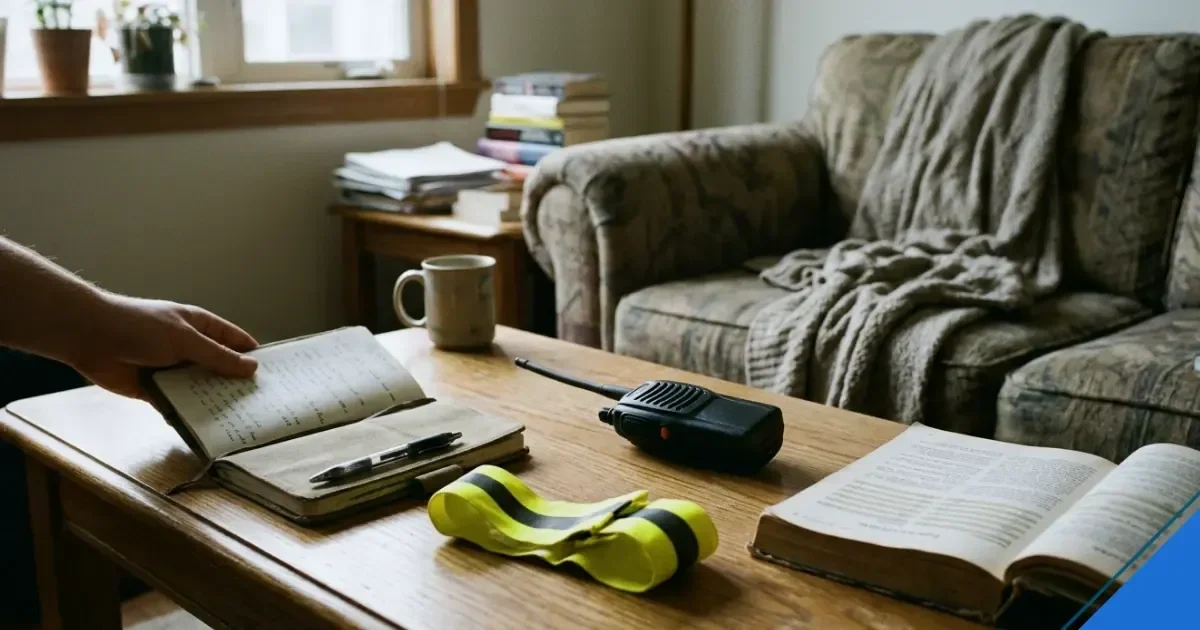
Most events announce the identifier during the opening briefing. It might be a coloured armband, a specific hat or a high-visibility vest. If you are unsure, ask at the crew desk or check the event's printed materials.
What to do if you disagree with a referee's call
Accept the ruling in the moment and continue playing. Referees make decisions quickly to keep the game moving, and arguing during a scene disrupts the fiction for everyone involved. If you believe the call was wrong, note what happened and speak to the referee or a senior crew member after the scene ends.
Explain what you saw, what you expected and why you think the ruling did not match the written rules. Most referees will clarify their reasoning and, if they made an error, they may adjust the outcome or note the correction for future calls. If the disagreement cannot be resolved, escalate it to the event organiser.
Keep the conversation respectful. Referees are often volunteers, they are managing multiple scenes at once and they are working from the same rulebook you are. A calm discussion after the event is more likely to result in a fair outcome than a heated exchange during play. For more on resolving tensions on site, read how to handle disagreements at live action roleplay events.
How referees are trained and who appoints them
- Event organisers select referees from experienced players who know the rules and have attended the system before.
- Referees attend a briefing before the event where they review the safety standards, the combat rules and the procedures for pausing play.
- They are assigned specific areas or roles — weapon checking, combat refereeing, story management — based on their experience and the event's needs.
- During the event, senior referees or the head marshal supervise the others and handle escalated disputes or complex rulings.
Some systems run formal training courses for referees and award certifications that are recognised across events. Other systems train on site and appoint referees for one event at a time. The level of formal training varies widely, but all referees are expected to know the rules, act impartially and prioritise safety over story.
When a marshal's decision affects your character's outcome
A marshal's ruling can remove a weapon from play, disqualify a combat action or declare your character wounded or out of the scene. These decisions are final for that moment, and they shape what your character can do next. If the ruling seems harsh, remember that marshals are enforcing a standard that applies to everyone at the event, not making a judgment about your skill or intent.
If a weapon is removed, you adapt — borrow another weapon, switch to a non-combat role or roleplay the setback as part of your character's story. If a hit is called against you that you did not feel, trust the referee's line of sight and take the consequence. The fiction remains intact when everyone accepts the calls, even the ones they disagree with.
For advice on handling moments of tension or uncertainty, see what to do if you witness a safety incident at LARP. Understanding how to stay safe at live action roleplay events also helps you navigate referee decisions with confidence.
The difference between in-character authority and referee authority
A character who holds a high rank in the game's fiction — a general, a guild leader, a monarch — has no authority over the rules, the safety standards or the referee's calls. In-character power does not translate to out-of-character control. A player who tries to overrule a marshal by invoking their character's status is stepping outside the agreed framework of the event.
Referees operate outside the fiction. They are not characters, they do not take sides in the story and their decisions are not influenced by what a character says or does. If your character disagrees with another character's actions, you resolve it through roleplay. If you disagree with a referee's ruling, you resolve it out of character after the scene.
#Event rules #Combat safety #Beginner tips #Game masters
Download PDF: LARP Referee and Marshal Checklist PDF, 27 KB
Further reading
Frequently asked questions
What does a LARP referee do during an event?
A LARP referee watches combat, calls hits and rules on disputes during play. They ensure that combat is safe, that abilities are used correctly and that the rules are applied fairly to all players.
Who enforces LARP rules on site?
Marshals enforce equipment safety and physical conduct, referees rule on combat and abilities, game masters shape the story and safety officers respond to distress or boundary concerns. Each role has specific authority and all work together to keep the event safe and fair.
What is the marshal role in live action roleplay?
Marshals check weapons and equipment before play, ensure that all items meet the event's safety standards and remove anything that could cause harm. They also watch for unsafe behaviour during the event and intervene when necessary.